
PEPTIDE RESEARCH & LABORATORY RESOURCES
NordBioLab Learn is an educational resource covering peptide research, analytical testing, certificates of analysis, laboratory handling, storage, lyophilization, and research-focused overviews of individual compounds.
Explore our guides on peptide quality, HPLC and LC-MS testing, batch-specific COAs, storage and handling, and current areas of laboratory peptide research.
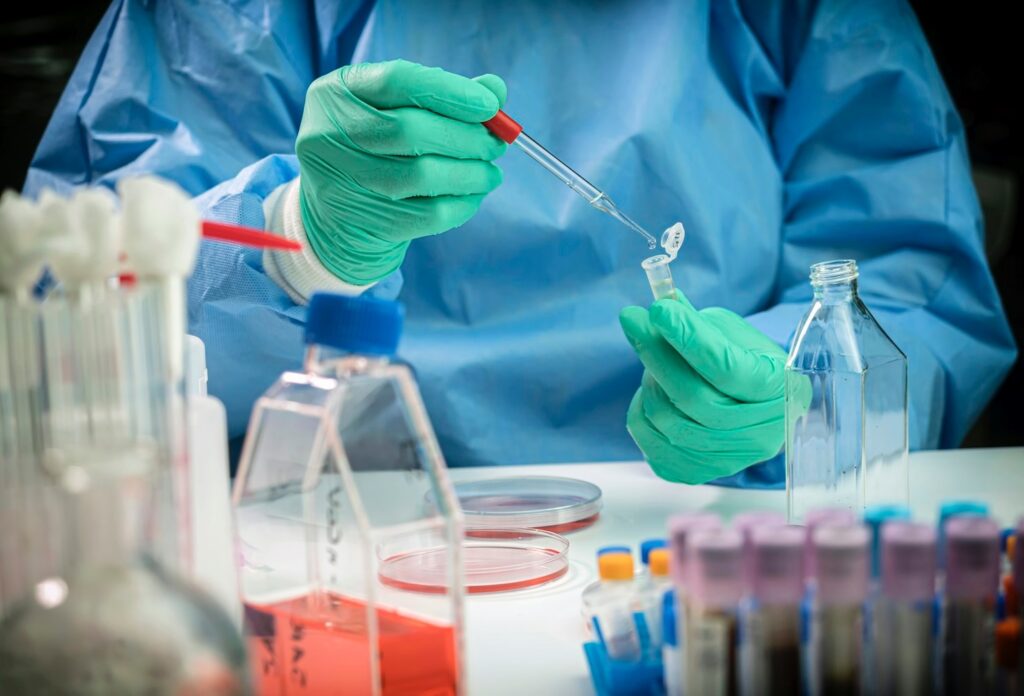
Peptide Research
Research-focused overviews of individual peptides, experimental pathways, mechanisms studied in laboratory models, and peptide-related scientific topics.
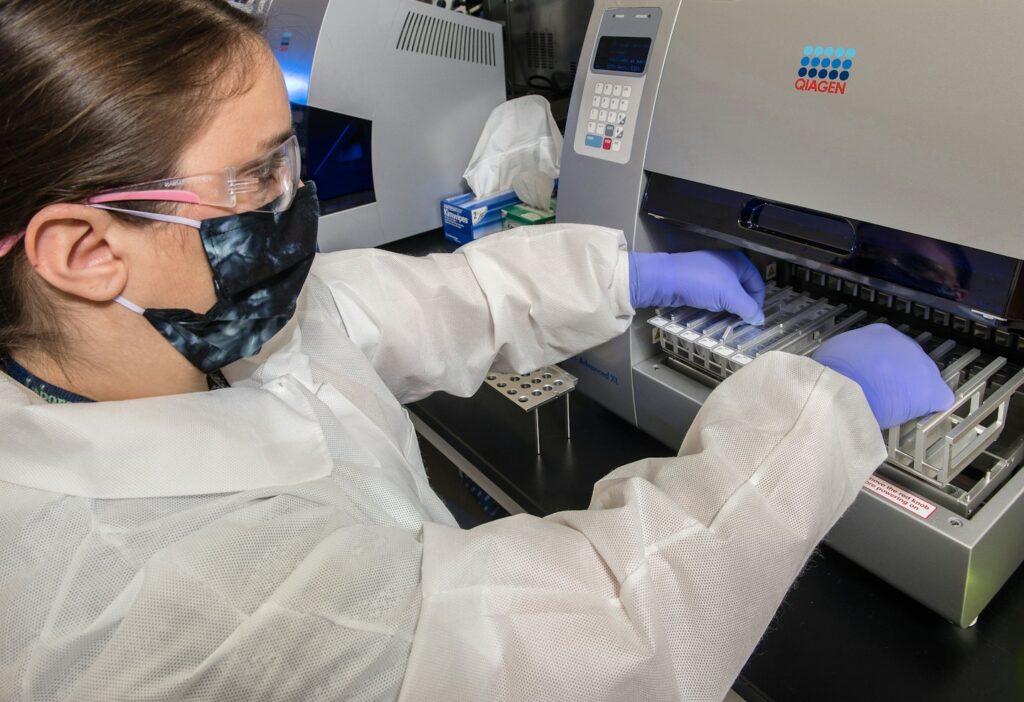
Laboratory Basics
Practical guides to bacteriostatic water, lyophilization, vial sizes, peptide terminology, sample preparation, and other fundamental laboratory concepts.
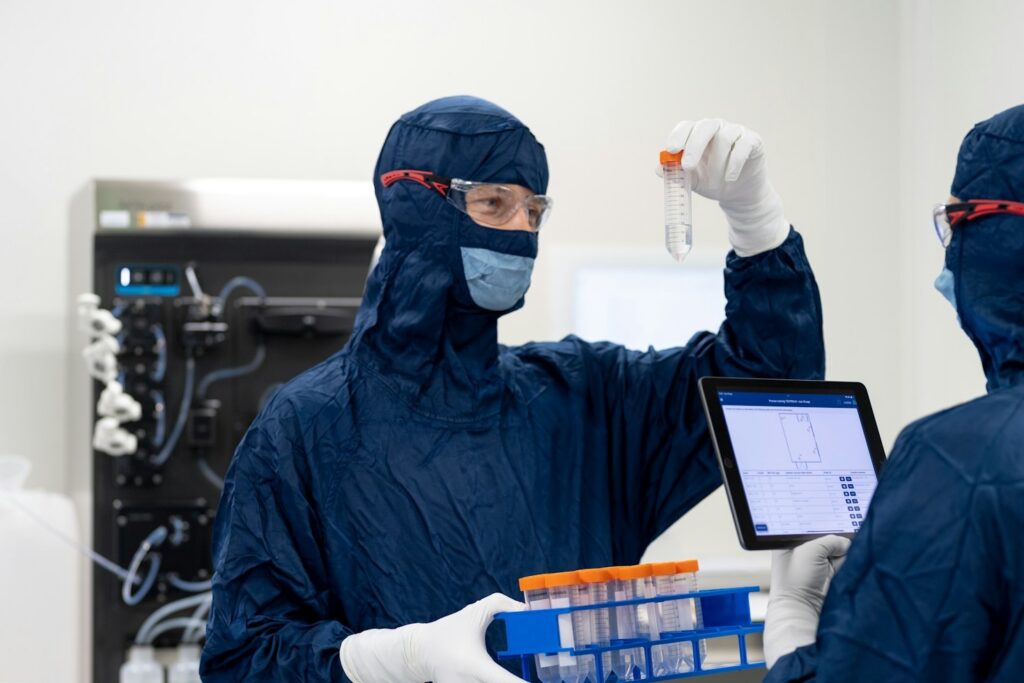
Testing & Quality
Guides to HPLC, LC-MS, peptide purity, assay, identity testing, endotoxin testing, batch-specific Certificates of Analysis, and analytical documentation.

Comparisons
Research-focused comparisons of peptide variants, formulations, analytical approaches, and related compounds used in laboratory research.
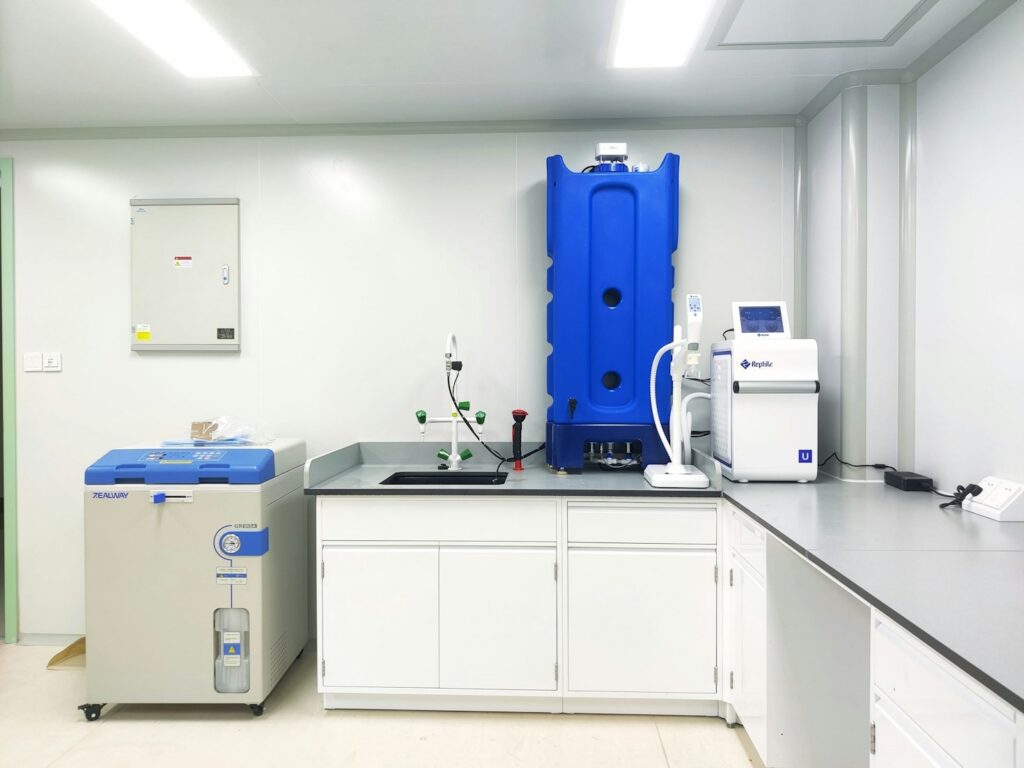
Storage & Handling
Guides to lyophilized peptide storage, reconstituted peptide stability, temperature and light exposure, transport, freeze-thaw cycles, and laboratory handling practices.
Regulation & Industry
Articles covering the European research peptide landscape, laboratory-use positioning, regulatory considerations, and broader industry developments.
Frequently Asked Questions
Find answers regarding peptide research, laboratory guidelines, testing documentation, and proper storage protocols.

Are NordBioLab peptides for human use?
No. NordBioLab peptides and related products are supplied exclusively for scientific and laboratory research.
They are not intended for human or veterinary use and are not supplied as medicines or therapeutic products.
Do NordBioLab products have Certificates of Analysis?
Yes. Batch-specific Certificates of Analysis (COAs) are available for applicable products and batches.
Where available, the COA and supporting analytical documentation can be found on the relevant product page or through NordBioLab quality resources.
How does NordBioLab test peptide quality?
Testing depends on the product and batch.
Analytical documentation may include:
- HPLC or UPLC purity testing;
- LC-MS identity confirmation;
- peptide content or assay;
- endotoxin testing;
- weight verification;
- other batch-specific analytical results where applicable.
No single test defines overall peptide quality, which is why identity, purity, content, and traceability should be considered together.
What should I look for on a peptide COA?
A useful peptide COA should clearly identify the product and batch and show which analytical tests were performed.
Depending on the material, this may include:
- batch or lot number;
- HPLC or UPLC purity;
- LC-MS identity data;
- assay or peptide content;
- analytical date;
- testing laboratory information;
- additional batch-specific results.
Remember that HPLC purity is not the same as peptide content.
Learn more: How to Read a Peptide Certificate of Analysis
How should lyophilized research peptides be stored?
Storage depends on the specific peptide and formulation.
For many lyophilized research peptides, −20°C is commonly used for long-term storage, while short-term refrigerated storage may be appropriate depending on the product.
Peptides should also be protected from:
- moisture;
- unnecessary light exposure;
- repeated temperature changes.
Always check the product-specific storage information.
Is a lyophilized peptide damaged if the powder is stuck to the vial?
Not necessarily.
A lyophilized peptide cake may:
- move during transport;
- crack;
- break into fragments;
- remain attached to the side of the vial.
These appearance differences can occur during lyophilization, shipping, and handling and do not automatically indicate reduced analytical quality.
More important warning signs include visible moisture, unusual discoloration, severe meltback, or damaged packaging.
Learn more: Lyophilized Peptide Stuck to the Vial — Is It Damaged?
Explore the NordBioLab Knowledge Base
Browse research-focused articles on peptide testing, Certificates of Analysis, storage, laboratory handling, and individual research compounds.