


PEPTIDE QUALITY, TESTING & CERTIFICATES OF ANALYSIS
ANALYTICAL TRANSPARENCY FOR RESEARCH MATERIALS
At NordBioLab, peptide quality is evaluated through batch traceability and analytical testing, not simply through an advertised purity percentage.
Depending on the product and batch, analytical documentation may include HPLC or UPLC purity testing, LC-MS identity confirmation, peptide content or assay, endotoxin testing, weight verification, and other relevant results.
Each available Certificate of Analysis is linked to the specific batch it represents.
HOW WE EVALUATE PEPTIDE QUALITY
BATCH-SPECIFIC DOCUMENTATION
Where available, analytical results are provided for the specific production batch being supplied.
The batch or lot number allows researchers to connect the material in the vial with the corresponding Certificate of Analysis and supporting test results.
PURITY TESTING
HPLC or UPLC is used to evaluate chromatographic purity and detect peptide-related components separated under the analytical method.
A high HPLC purity result is useful, but it does not by itself establish molecular identity or exact peptide content.
Learn more: HPLC Testing Explained
IDENTITY CONFIRMATION
LC-MS may be used to confirm whether the observed molecular mass is consistent with the expected peptide.
For some compounds or analytical requirements, additional methods may provide further structural information.
Learn more: LC-MS Testing Explained
PEPTIDE CONTENT & ASSAY
Peptide purity and peptide content are not the same measurement.
A lyophilized sample can also contain water, counterions, salts, or formulation-related components.
Where assay or peptide-content data are available, they provide additional information about the actual amount of peptide material in the sample.
Learn more: 99% HPLC Purity Does Not Mean 99% Peptide Content
ENDOTOXIN & ADDITIONAL TESTING
For selected products and batches, additional testing may include:
- endotoxin analysis;
- weight verification;
- water or moisture-related testing;
- other product-specific analytical measurements.
Not every test is required or performed for every peptide.
The relevant analytical package depends on the compound, batch, and intended laboratory application.
Learn more: Why Endotoxin Testing Matters in Peptide Research
WHAT IS INCLUDED IN A NORDBIOLAB COA?
A batch-specific Certificate of Analysis may include:
- product name;
- batch or lot number;
- analytical date;
- HPLC or UPLC purity result;
- LC-MS identity data;
- assay or peptide-content information where available;
- endotoxin results where performed;
- other batch-specific analytical findings.
Available documentation varies by product and batch.
The purpose of the COA is to provide traceable analytical information for the actual batch being supplied.
Learn more: How to Read a Peptide Certificate of Analysis
THIRD-PARTY ANALYTICAL TESTING
NordBioLab uses independent analytical laboratories for selected products and batches.
Third-party testing provides an additional layer of analytical transparency by separating the testing process from the supplier.
However, the laboratory name alone does not determine analytical quality.
The important factors are:
- the analytical method used;
- the identity of the tested material;
- the connection between the result and the supplied batch;
- the interpretation of the reported data.
Where third-party laboratory reports are available, they are linked to the relevant product or batch documentation.
WHY BATCH-SPECIFIC TESTING MATTERS
Peptide quality should not be evaluated from a generic certificate or a single purity number alone.
Batch-specific documentation helps researchers confirm:
What was tested?
The exact compound and batch.
How was it tested?
For example, HPLC/UPLC, LC-MS, assay, or endotoxin testing.
What did the test show?
The reported analytical result for that batch.
Can the material be traced?
The batch number on the vial should correspond to the analytical documentation.
This supports better documentation and more reproducible laboratory work.
Learn more: Why a Batch-Specific COA Matters
PURITY DOES NOT EQUAL QUALITY
A peptide labelled “99% pure” should not automatically be considered fully characterized.
Different analytical tests answer different questions:
| Analytical Information | What It Helps Evaluate |
|---|---|
| HPLC / UPLC | Chromatographic purity |
| LC-MS | Molecular identity / expected mass |
| Assay / peptide content | Amount of peptide material |
| Endotoxin test | Bacterial endotoxin contamination |
| Batch number | Traceability |
No single result describes every aspect of peptide quality.
For this reason, NordBioLab focuses on the complete analytical picture available for each batch.
STORAGE, HANDLING & PRODUCT INTEGRITY
Analytical quality also depends on appropriate storage and handling after production.
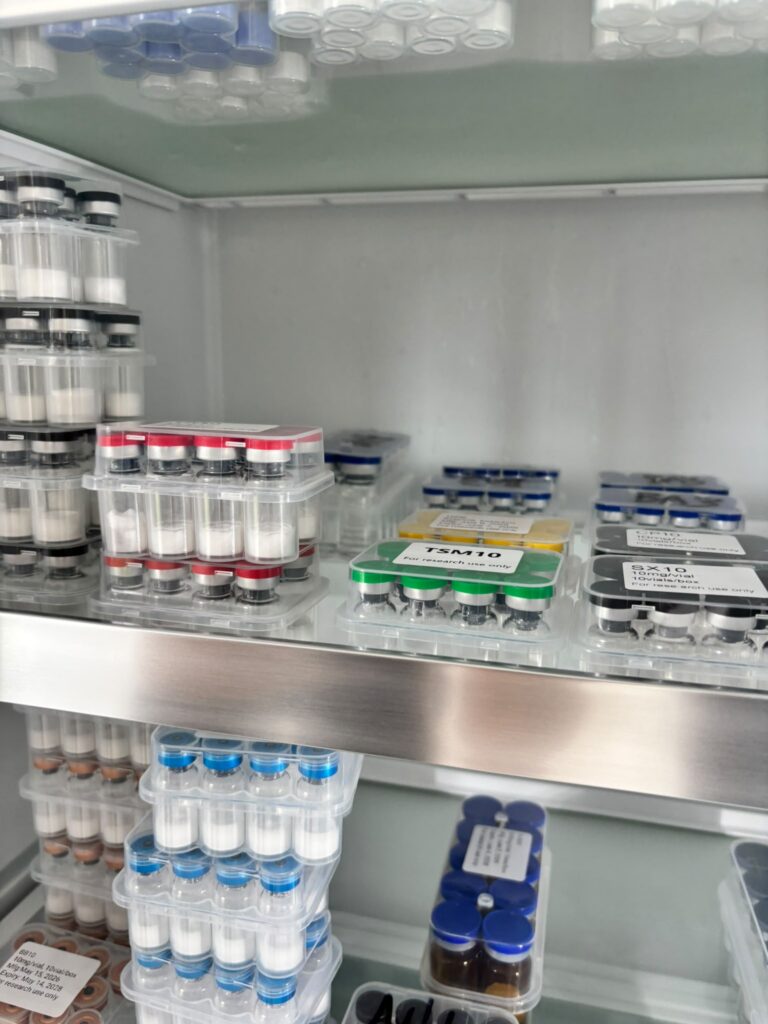
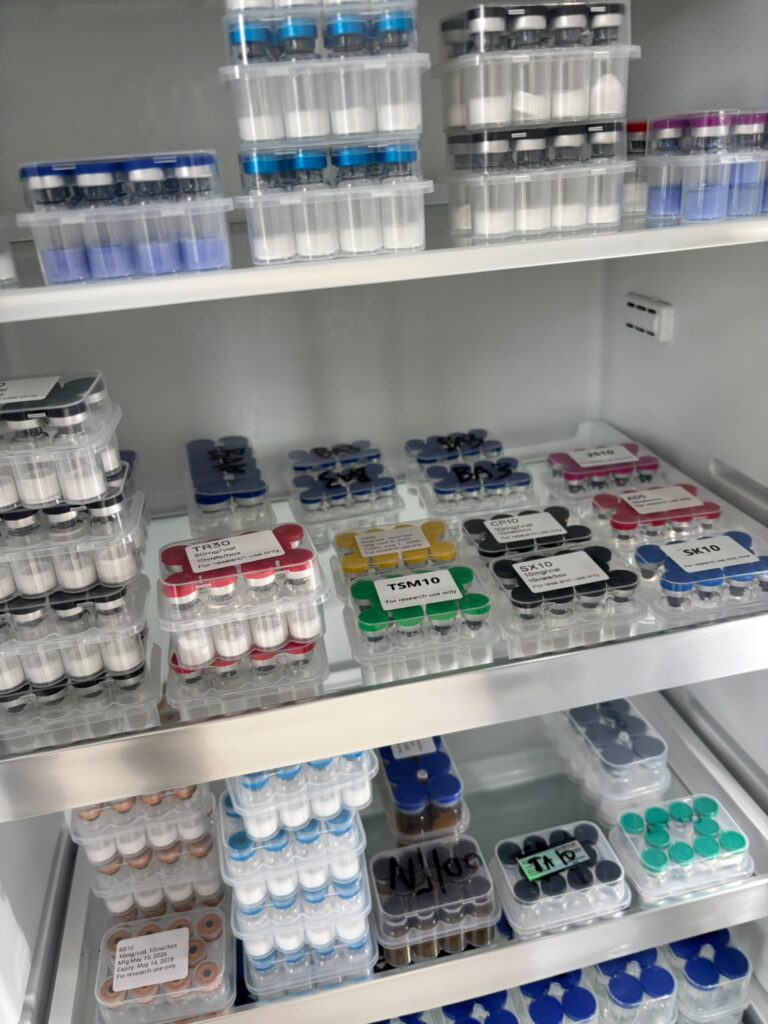
NordBioLab lyophilized research peptides are stored according to product-specific requirements and supplied in packaging designed to protect the material during distribution.
For many lyophilized peptides, −20°C is commonly recommended for long-term storage, unless product-specific information indicates otherwise.
Researchers should also protect peptide materials from:
- moisture;
- unnecessary light exposure;
- repeated temperature changes;
- inappropriate handling after opening or reconstitution.
Learn more: Storage of Lyophilized Peptides
RESEARCH USE ONLY
NordBioLab peptides and related products are supplied exclusively for scientific and laboratory research.
They are not intended for human or veterinary use and are not supplied as medicines or therapeutic products.
Analytical documentation describes characteristics of the research material and should not be interpreted as pharmaceutical approval or certification.
FREQUENTLY ASKED QUALITY QUESTIONS
Depending on the product and batch, chromatographic purity may be evaluated using HPLC or UPLC.
Identity may be assessed separately using LC-MS or other appropriate analytical methods.
Purity and identity are different measurements and should be interpreted together with the rest of the batch documentation.
Batch-specific COAs are available for applicable products and batches.
The relevant product page should be checked for the analytical documentation currently available for that lot.
Independent laboratory testing is used for selected products and batches.
Testing arrangements may differ depending on the product, batch, and analytical requirement.
NordBioLab does not rely on a generic “third-party tested” claim; the available documentation for the specific batch should be reviewed.
No.
HPLC purity describes the relative chromatographic signal under a particular analytical method.
It does not necessarily describe the percentage of the total vial mass that consists of peptide.
Water, counterions, salts, and other components can contribute to total mass.