PRODUCTS SOLD ON NORDBIOLAB.COM ARE FOR RESEARCH PURPOSES ONLY AND ARE NOT FOR HUMAN OR VETERINARY USE.

Author: Nordbiolab Team
-
Category: Storage & Handling | Reading time: 5 min | For research use only One of the most common questions researchers ask is: How long does a peptide remain stable after it has been reconstituted? There is no single answer that applies to every peptide. Stability depends on the peptide itself, the diluent used, storage temperature, concentration, light exposure,…
-
This paragraph serves as an introduction to your blog post. Begin by discussing the primary theme or topic that you plan to cover, ensuring it captures the reader’s interest from the very first sentence. Share a brief overview that highlights why this topic is important and how it can provide value. Use this space to…
-
Category: Testing & Quality | Reading time: 7 min | For research use only A research peptide can show high HPLC purity and still contain biologically significant bacterial endotoxin. That is because endotoxin is a different type of contaminant from the peptide-related impurities measured in a standard chromatographic purity test. For cell-based assays, immune research, inflammatory models, and many…
-
Category: Testing & Quality | Reading time: 5 min | For research use only You open a peptide Certificate of Analysis and see: Purity: 99.4% by HPLC It is an excellent-looking number. But does it mean that 99.4% of everything in the vial is the target peptide? Not necessarily. This is one of the most common misunderstandings when reading…
-
Category: Testing & Quality | Reading time: 6 min | For research use only When reviewing a peptide Certificate of Analysis, researchers may see statements such as: But what does this actually demonstrate? Liquid Chromatography–Mass Spectrometry, or LC-MS, is one of the most useful analytical techniques for evaluating peptide identity because it combines chromatographic separation with mass measurement. However,…
-
Category: Testing & Quality | Reading time: 5 min | For research use only “COA available.” It sounds reassuring. But when evaluating analytical documentation for a research peptide, there is a more important question: Which batch does that Certificate of Analysis actually represent? A Certificate of Analysis can contain detailed HPLC, LC-MS, assay, or other analytical results. But those…
-
Category: Storage & Handling | Reading time: 5 min | For research use only Lyophilization is used in part because removing water can improve the stability of sensitive materials. But freeze-dried does not mean indestructible. Once a research peptide has been manufactured and packaged, its stability can still be affected by temperature, moisture, light, packaging, and handling conditions. Understanding these…
-
Category: Peptide Research | Reading time: 7 min | For research use only MOTS-C is a mitochondria-derived peptide encoded by a short open reading frame within the mitochondrial 12S rRNA region. First described in 2015, MOTS-C attracted scientific interest because it links mitochondrial genetics with cellular signaling, metabolic regulation, stress adaptation, and communication between mitochondria and the nucleus. Unlike…
-
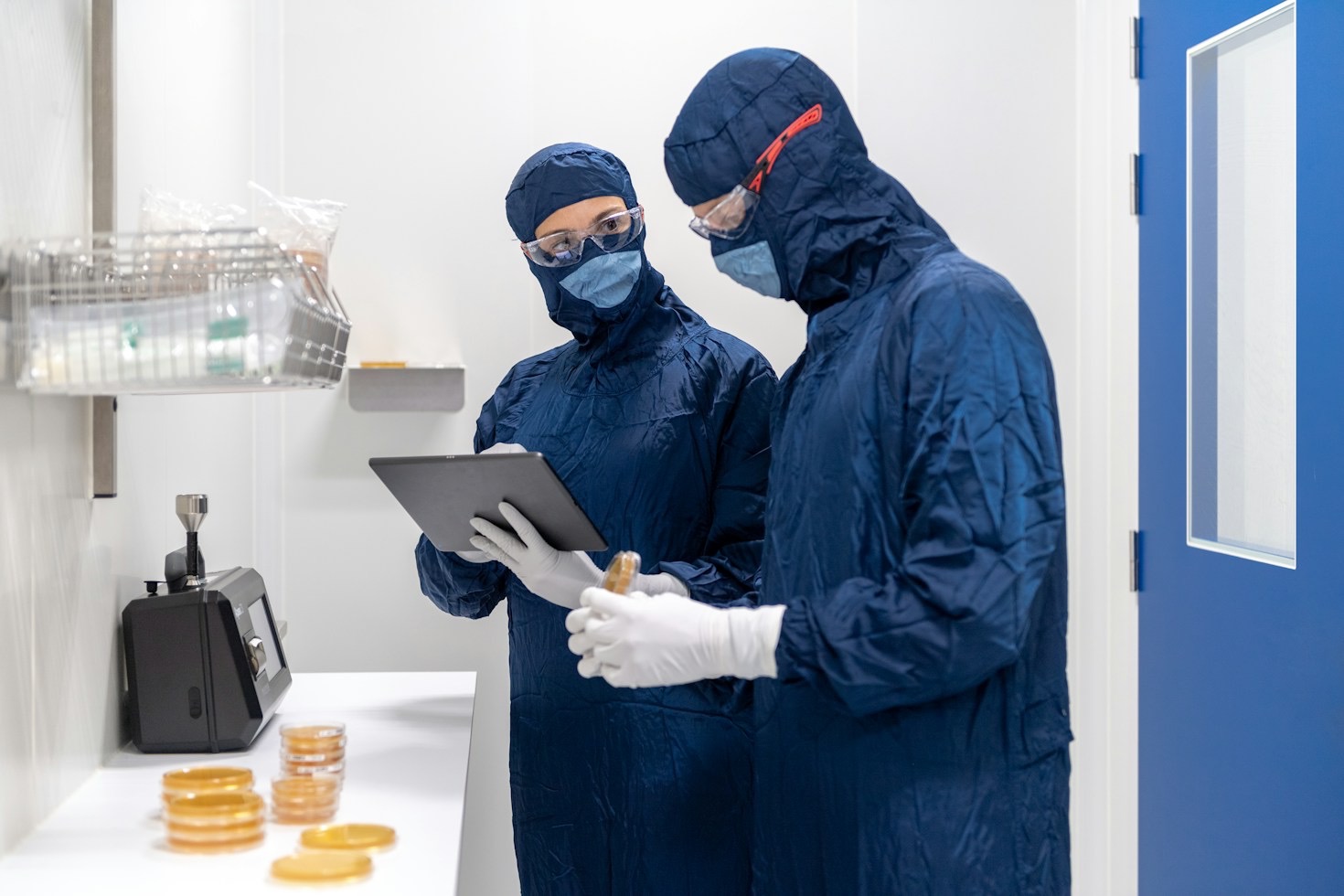
Category: Testing & Quality | Reading time: 6 min | For research use only When reviewing a peptide Certificate of Analysis, researchers often see results such as: These numbers are useful, but they are also frequently misunderstood. HPLC is one of the most widely used analytical techniques for evaluating synthetic peptide purity. It separates components in a sample and…
-
Category: Peptide Research | Reading time: 6 min | For research use only BPC-157 is a synthetic pentadecapeptide derived from a gastric protein fragment and composed of 15 amino acids. It has been investigated predominantly in preclinical research, with experimental studies examining its biological activity across gastrointestinal, vascular, musculoskeletal, and neurological models. Research interest in BPC-157 has grown because…